
A Clinical Trial Management System, commonly known as a CTMS, provides a structured way to manage many operational activities throughout a study’s life.
Running a clinical trial involves managing a large amount of information from planning to the completion stage
Research teams select and manage sites, track participants, monitor study activities and timelines, maintain documents and approvals, and keep sponsors informed about the study progress.
As a study grows, especially when multiple sites are involved, spreadsheets, emails, and separate records can make it harder to keep track of what is happening.
Important information can become scattered, deadlines can be missed, and teams may spend more time trying to piece together the status of a study than acting on the information.
What Is a Clinical Trial Management System?
A Clinical Trial Management System is a software platform that sponsors, Contract Research Organisations (CROs), research institutions, and clinical trial sites use to manage the operational aspects of a clinical trial.
Depending on the system and how teams configure it, a CTMS can support study planning, site management, participant tracking, compliance activities, documentation, reporting, and oversight.
The purpose is to bring important operational information into a structured system so that study teams can track what is happening across a trial and manage activities more effectively.
For example, instead of relying on separate spreadsheets to track site progress, participant activity, outstanding tasks, and compliance requirements, a CTMS can provide a central view of these activities.
This becomes particularly useful when several people, departments, or research sites work on the same study.
What Does a CTMS Do?
The exact functions of a CTMS vary by platform, but most systems support several areas of clinical trial management.
Study Planning and Management
Before a clinical trial begins, the study team needs to establish the activities, timelines, responsibilities, and milestones that will guide the study.
A CTMS can help teams organise this information and track progress throughout the trial.
As the study moves forward, teams can use the system to monitor important activities and identify tasks that are delayed or approaching key deadlines.
Having this information in one place makes it easier for the sponsor, CRO, and study team to maintain visibility into the trial’s operational progress.
Site Management

Clinical trials often involve one or several research sites, each with its own investigators, study coordinators, facilities, and operational processes.
A CTMS can help study teams maintain information about each site and monitor activities throughout the study.
This may include site selection and activation, recruitment progress, monitoring activities, protocol deviations, outstanding tasks, and other site performance indicators.
When a study involves multiple sites, sponsors and CROs can use this information to understand site performance and identify where additional support or oversight may be needed.
Participant Tracking

A CTMS may also support the tracking of participants as they move through different stages of a study.
This can include screening, enrolment, scheduled visits, study milestones, and completion status.
The level of participant information managed within a CTMS will vary.
Other system such as Electronic Data Capture system often collects and manages detailed clinical trial data is twhile the CTMS may provide an operational view of participant progress.
This distinction is important because a CTMS is usually one part of a wider clinical trial technology environment.
Document and Compliance Management
Clinical trials generate a significant amount of documentation throughout their lifecycle.
Study teams may need to manage approvals, training records, investigator information, delegation records, study documents, and other materials required to support the conduct and oversight of the trial.
A CTMS can help teams track whether required activities and documents have been completed and whether important deadlines are approaching.
Some systems can also send reminders or alerts when an action requires attention.
This helps teams manage compliance activities as part of the day-to-day running of the study rather than relying entirely on manual reminders and separate tracking systems.
Reporting and Oversight

Sponsors and clinical operations teams need to understand how a study is progressing across its sites.
A CTMS can bring together operational information and present it through reports or dashboards.
This may include information about site activity, recruitment, participant progress, outstanding tasks, monitoring activities, or other areas that are important to the study.
Having access to this information can help teams identify delays, follow changes in site performance, and decide where further attention may be needed.
How Is a CTMS Different From Other Clinical Trial Systems?
A CTMS is often used alongside other systems involved in managing a clinical trial.
One of the most common is an Electronic Data Capture (EDC) system.
An EDC primarily collects and manages clinical data generated during a study. Investigators and site teams enter information into the system, and it is reviewed as part of the study’s data management process.
A CTMS, on the other hand, focuses more on the operational management of the trial.
For example, an EDC may contain the clinical data collected during a participant visit, while a CTMS may help the study team track whether that visit took place and how the participant is progressing through the study.
Other systems may also be used alongside a CTMS.
An electronic Trial Master File, or eTMF, is used to manage essential trial documentation, while safety systems may be used to manage adverse event and pharmacovigilance information.
These systems serve different purposes, although they may be connected depending on the technology being used.
Together, they can provide a more complete view of the clinical trial.
Why Does a CTMS Matter?
The need for a CTMS becomes clearer as the operational complexity of a study increases.
A small study conducted at one site may be manageable using a limited number of systems and manual processes. However, as more sites, participants, staff members, and activities are added, it becomes more difficult to maintain a clear view of everything happening across the study.
Information can become spread across emails, spreadsheets, paper records, and different software platforms.
This can make it harder to track responsibilities, identify delays, and maintain consistent oversight.
A CTMS provides a structured way to organise this operational information.
It can help study teams answer practical questions throughout the study:
- Which sites are active?
- How is recruitment progressing?
- Which activities are delayed?
- Are there outstanding compliance requirements?
- Which sites may require additional support?
- What actions still need to be completed?
The value of the system is not simply that information is stored electronically. It is that the information can be organised in a way that supports oversight and day-to-day decision-making.
Supporting Quality Throughout the Study
Clinical trial quality depends on more than reviewing a study at the end.
Study teams need processes that help them identify and manage issues as the trial progresses.
ICH E6(R3) places greater emphasis on quality management and the identification and management of risks that could affect participant safety and the reliability of trial results.
A CTMS is not specifically required by ICH E6(R3), but technology can support the processes needed to manage complex studies.
For example, a CTMS can help teams maintain visibility over study activities, track responsibilities, follow site performance, and identify information that may require further review.
When used alongside appropriate procedures and experienced clinical research professionals, the system can support a more organised approach to trial oversight.
The technology itself does not guarantee quality. The processes behind it, the quality of the information entered, and the way study teams respond to that information remain equally important.
The Importance of Audit Trails
One important feature to consider when selecting a clinical trial management system is the audit trail.
An audit trail records actions taken within a system and provides a history of changes over time.
Depending on the system and the type of record, this may include information about who performed an action, when it was completed, and what changes were made.
Maintaining a clear record of activities can support accountability and make it easier for study teams to understand the history of an activity or record when questions arise.
This is particularly important in clinical research, where organisations may need to demonstrate how study activities were managed and provide documentation during audits or inspections.
A reliable audit trail should therefore be considered as part of the wider quality and compliance requirements of the system.
What Should You Look for in a CTMS?
The right CTMS will depend on the type of organisation, the number of studies being managed, and the complexity of those studies.
However, there are several areas worth considering.
- Ease of Use
A system needs to work for the people responsible for using it.
If site teams and clinical operations staff find the platform difficult to navigate, consistent adoption can become a challenge.
A clear interface and practical workflows can make it easier for teams to incorporate the system into their daily activities.
- Visibility Across the Study
Sponsors and CROs managing several sites need to be able to understand how the study is progressing without waiting for information to be compiled manually.
Dashboards and reporting tools can provide visibility into important operational activities and help teams identify areas that may require attention.
- Flexibility
Clinical trials vary in their design and operational requirements.
A CTMS should be able to support the specific needs of the organisation and, where appropriate, be configured to reflect the requirements of individual studies.
- Data Protection and Access Control
Clinical research involves sensitive information.
Systems should have appropriate controls to manage who can access different types of information and ensure that users only have access to what is relevant to their role.
Where participant information is managed, organisations should also consider how the system supports coding or pseudonymisation and other applicable data protection requirements.
- Integration With Other Systems
A CTMS does not always operate alone.
The ability to connect or work alongside other clinical research systems can reduce duplication and improve the flow of information between different parts of the study.
The specific integration requirements will depend on the technology environment and the needs of the organisation.
Why CTMS Adoption Matters in Nigeria and West Africa
As clinical research activity continues to develop across Nigeria and West Africa, the systems used to manage studies will become increasingly important.
Research teams may be coordinating activities across several institutions and locations, with different levels of research experience and varying operational processes.
Sponsors and CROs also need reliable ways to maintain visibility across these studies.
Digital clinical trial management systems can help bring operational information together and support more consistent oversight across sites.
They can also reduce dependence on disconnected spreadsheets and manual reporting processes that become increasingly difficult to manage as studies grow.
Technology alone will not solve every operational challenge.
A CTMS still depends on trained users, clear processes, reliable data entry, and organisations that understand how to respond when issues are identified.
However, when these elements work together, technology can provide a stronger foundation for managing complex clinical trials.
How UCTMS Supports Clinical Trial Management
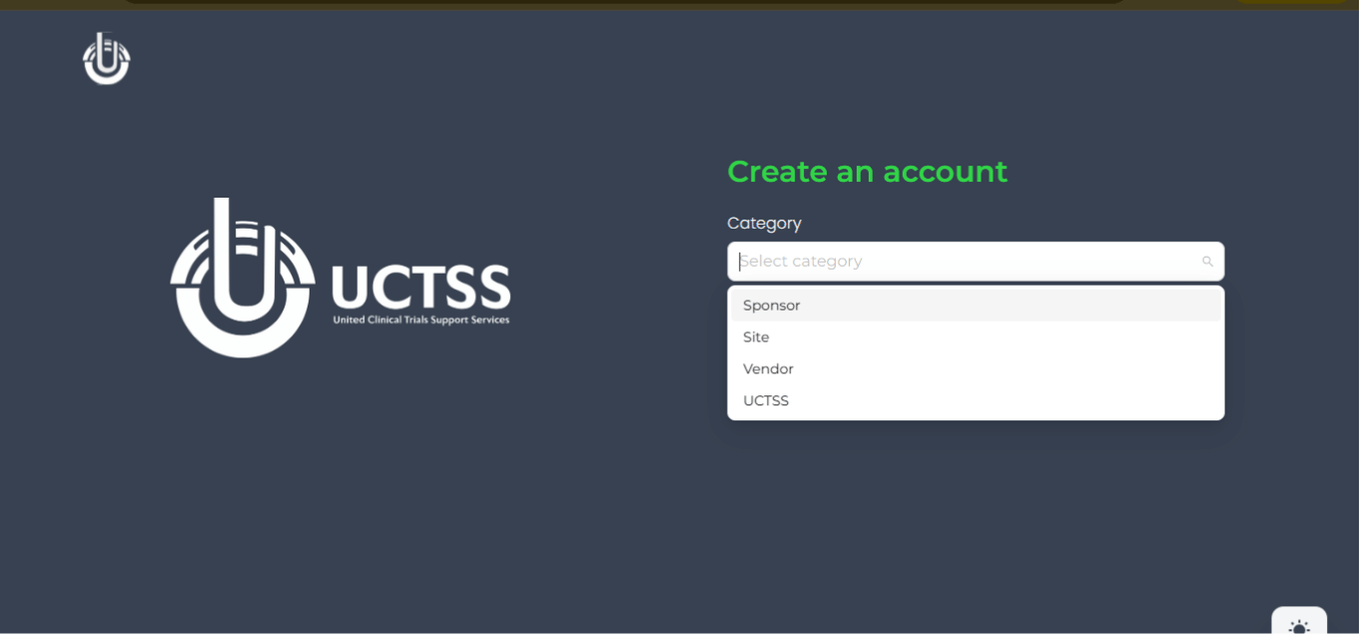
UCTMS is the United Clinical Trial Management System developed by United Clinical Trials Support Services.
The platform was designed to support the management and oversight of clinical research activities, with consideration for the operational environment in Nigeria and West Africa.
UCTMS brings together several areas of clinical trial management within one platform, including study management, site management, participant tracking, compliance activities, reporting, and operational oversight.
Study teams can use the platform to maintain visibility over activities across a study and follow changes as the trial progresses.
The platform also supports structured workflows, access controls, and records of activities performed within the system.
For sponsors and CROs managing multiple sites, having operational information available through a central platform can make it easier to follow site activity and identify areas that may require further review.
UCTMS also includes a directory of research sites and facilities to support site identification and feasibility planning.
The aim is to provide research teams with a practical system for managing clinical trial operations while supporting the quality, accountability, and visibility required throughout a study.
A CTMS Is Part of Building Stronger Clinical Research Systems
Clinical trials rely on people, processes, and systems working together.
Experienced investigators and site teams remain essential, but as studies become more complex, the tools used to manage information and coordinate activities also become increasingly important.
A Clinical Trial Management System provides a structured way to manage many operational activities throughout a study.
For sponsors, CROs, and research sites, the value lies in having better visibility over the work being done, clearer ways to track responsibilities, and a system that supports consistent oversight as the study progresses.
As clinical research continues to grow in Nigeria and West Africa, strengthening the systems behind the research will be just as important as increasing the number of studies being conducted.
A CTMS is one part of that wider infrastructure.
UCTMS supports sponsors, CROs, and research teams with the tools needed to manage and maintain visibility across clinical trial operations.
To learn more about UCTMS or discuss how it could support your study, contact UCTSS at info@unitedclinicalss.com or visit United Clinical Trials Support Services.
Add a Comment